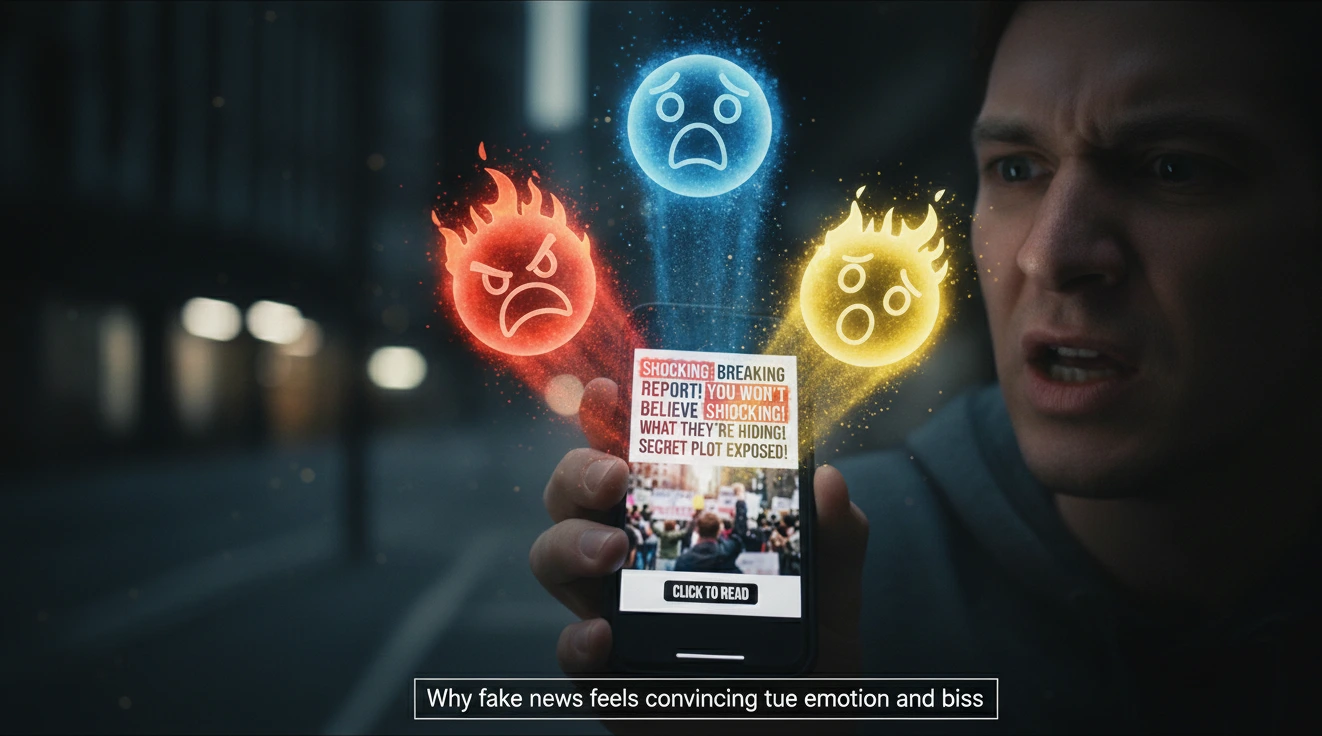
Have you ever read a headline that instantly made you angry, scared, or excited—so much so that you shared it without a second thought? You’re not alone. Fake news doesn’t succeed because people are careless. It succeeds because it is designed to exploit how the human mind works.
In the digital age, misinformation is carefully engineered to trigger emotions, confirm beliefs, and win attention. Understanding why fake news feels so convincing is the first step toward resisting it.
The Power of Emotional Headlines
Fake news often begins with a headline crafted to provoke a strong emotional response. Fear, outrage, hope, or shock all override critical thinking. When emotions take over, logic takes a back seat.
Psychologically, emotional content is processed faster than factual analysis. This makes emotionally charged headlines far more likely to be clicked, remembered, and shared—regardless of accuracy.
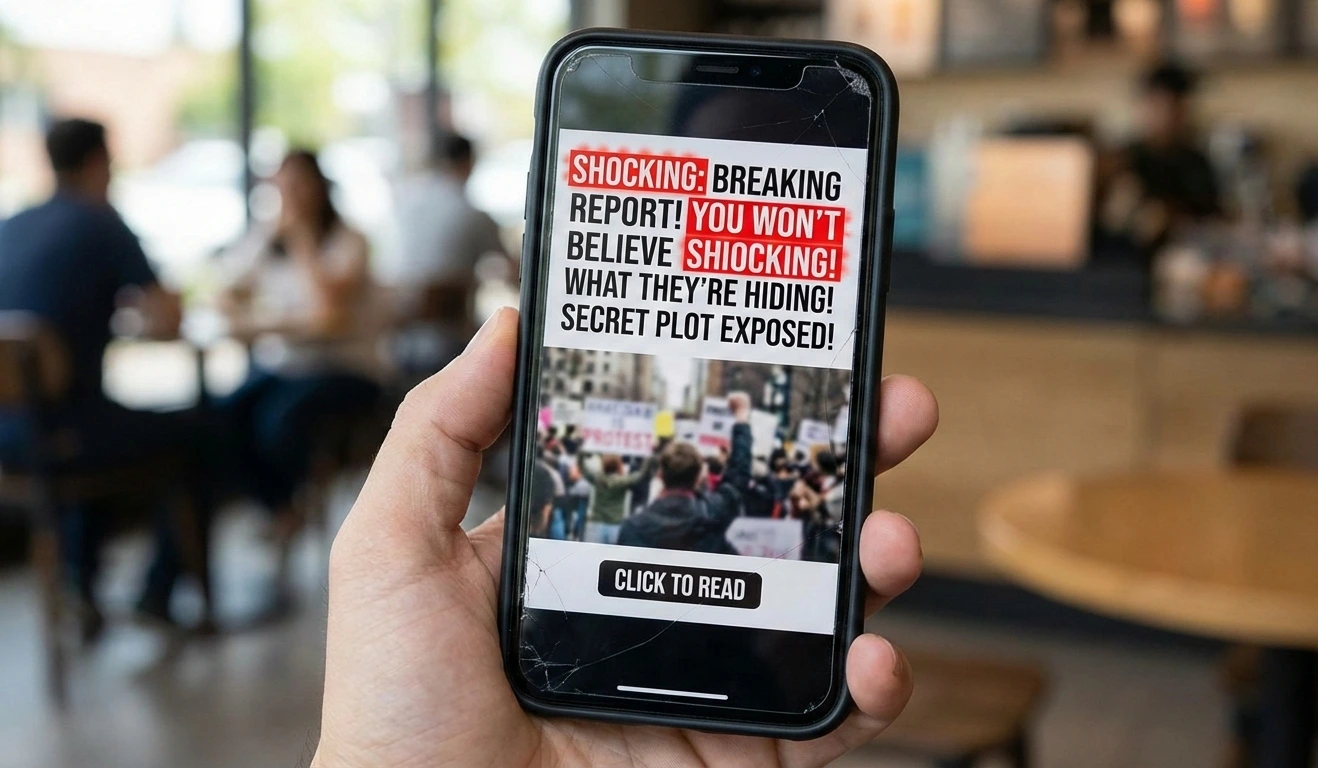
Why Clicks Matter More Than Truth
In the attention economy, clicks are currency. Fake news thrives because it generates traffic, engagement, and ad revenue. The more sensational the story, the more profitable it becomes.
Algorithms on social media platforms prioritize content that keeps users scrolling. As a result, misleading stories that provoke strong reactions are often boosted—while calm, factual reporting struggles to compete.
Fake news is not accidental; it is optimized for visibility.
Cognitive Bias: The Invisible Trap
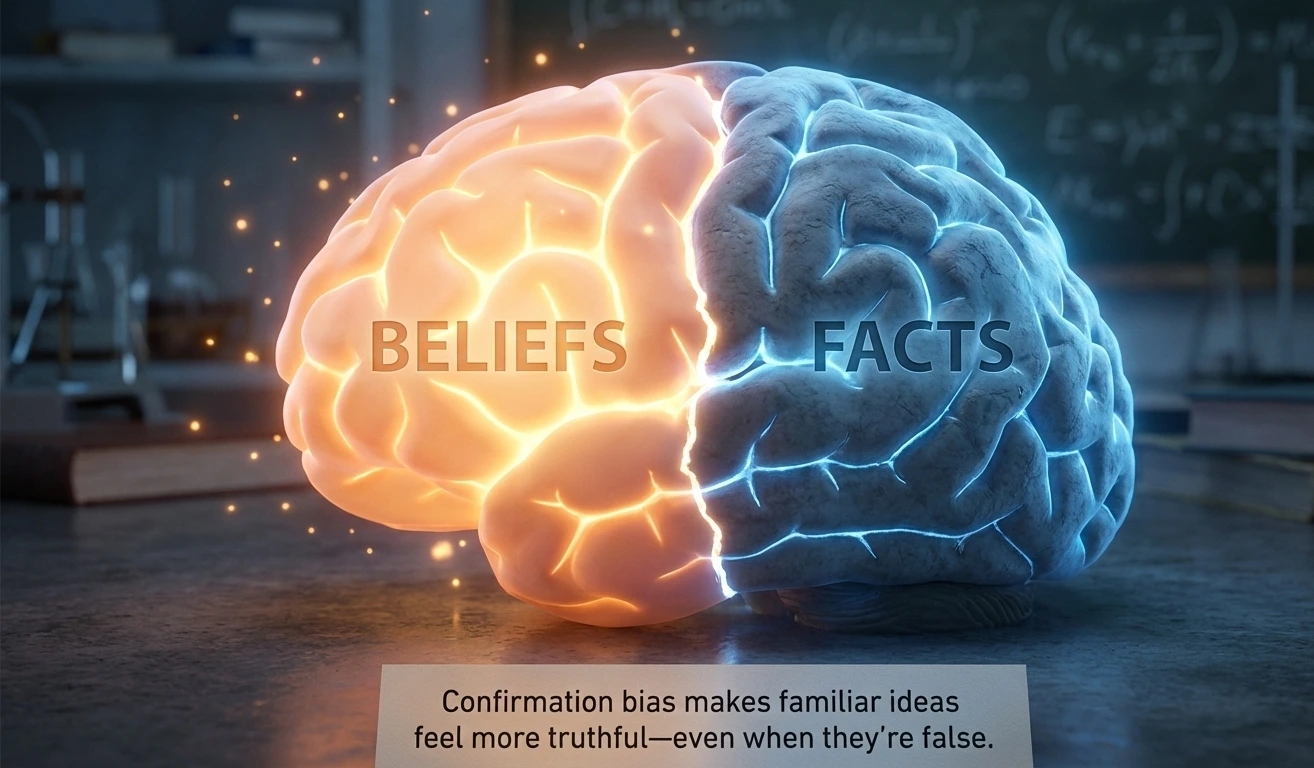
One of the strongest forces behind fake news is confirmation bias—our tendency to believe information that aligns with what we already think.
When a story supports our political views, cultural beliefs, or personal experiences, we are far less likely to question it. Fake news creators exploit this by tailoring content to specific audiences, reinforcing existing opinions instead of challenging them.
Fear, Anger, and the Viral Effect
Studies consistently show that content evoking fear or anger spreads faster than neutral information. Fake news thrives on crisis narratives, conspiracy theories, and blame-driven messaging.
Fear narrows thinking. Anger accelerates sharing. Together, they create the perfect storm for misinformation to go viral.
Once shared, fake news gains social proof. If many people believe it, others assume it must be true.
Why Fake News Feels “Right”
Fake news often:
Uses simple language instead of nuance
Offers clear villains and heroes
Avoids uncertainty or complexity
Feels emotionally satisfying
Truth, on the other hand, is often complicated, incomplete, and uncomfortable. Fake news feels convincing because it offers certainty in an uncertain world.

Breaking Free from Emotional Manipulation
Recognizing emotional manipulation is a powerful defense. When a piece of content makes you feel an intense reaction, pause. Ask:
Who benefits if I believe this?
Is the source credible?
Are facts being cited—or just emotions?
Digital awareness is not about distrusting everything. It is about thinking before reacting.
Fake news doesn’t just spread lies—it exploits human psychology. Clicks, emotions, and bias combine to make misinformation feel real, urgent, and personal. Understanding these forces helps restore control over what we believe and share.
In a world flooded with information, emotional intelligence and critical thinking are as important as digital access itself.