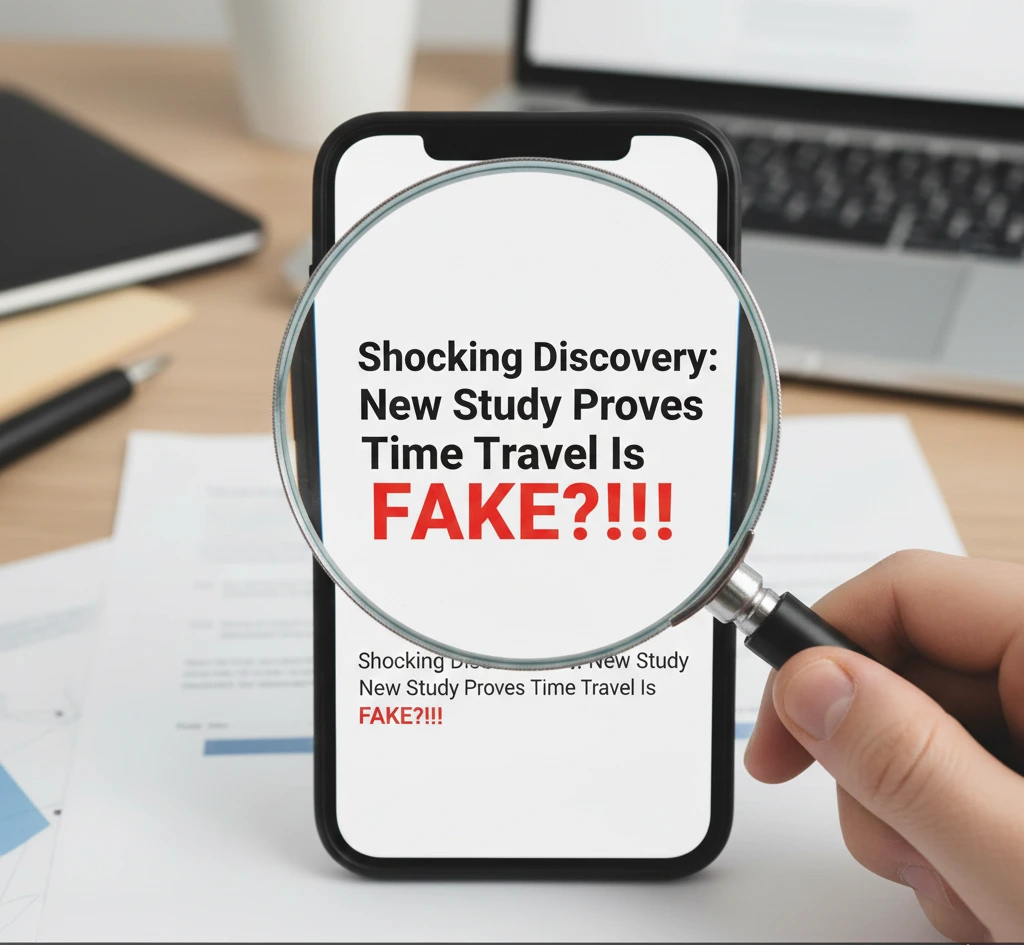
In today’s digital world, information travels faster than ever before. With just one click, a news story can reach millions of people within minutes. While this speed has made access to information easier, it has also created a serious problem: the rise of fake news. Understanding what fake news really is—and what it is not—is essential for anyone who consumes news online.
What Is Fake News?
Fake news refers to false or misleading information presented as real news, often designed to manipulate opinions, generate clicks, or cause confusion. Unlike simple rumors, fake news is usually crafted to look authentic by copying the style of credible journalism—using headlines, images, and even fake sources.
Fake news can be created for different purposes:
To influence public opinion
To gain financial profit through clicks and ads
To damage reputations or institutions
To spread fear, confusion, or political propaganda
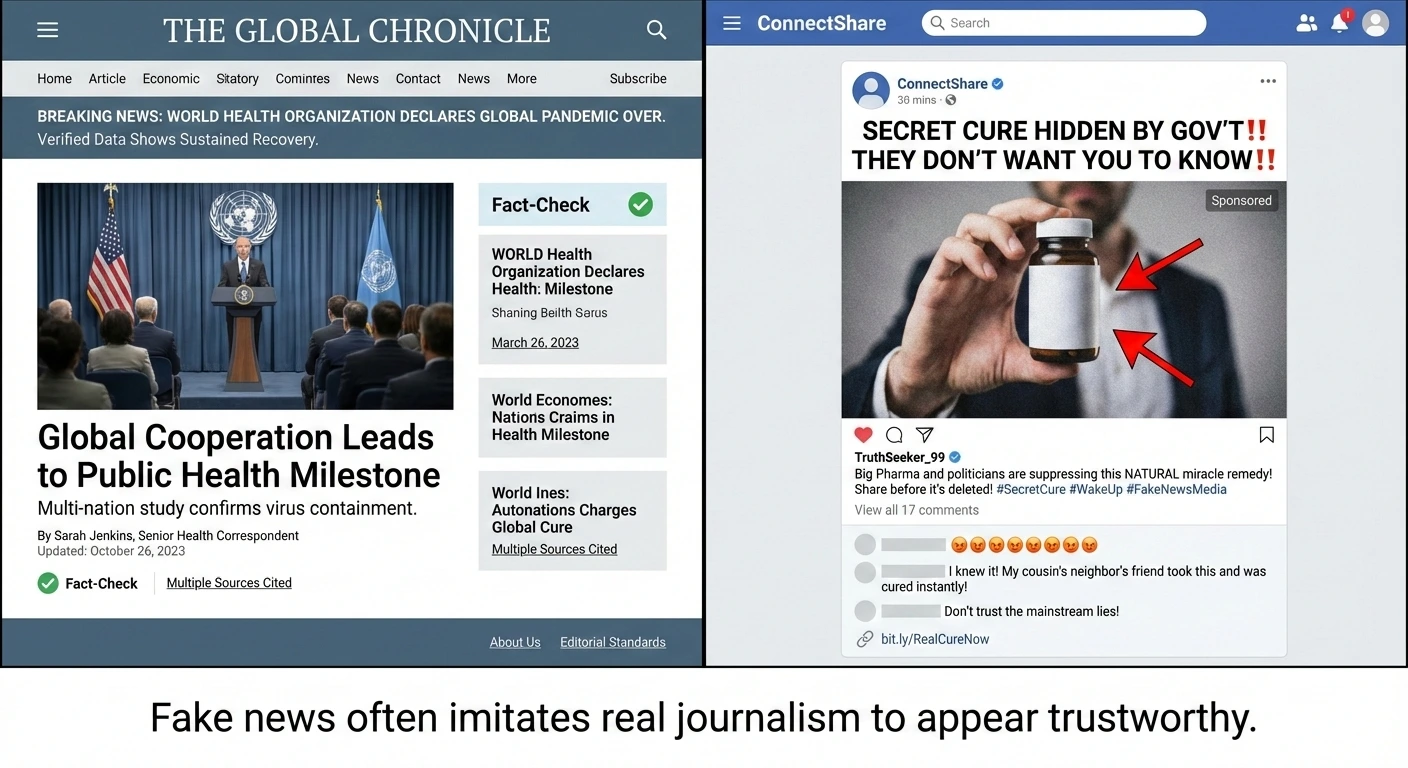
What Fake News Is Not
Not every incorrect or controversial piece of information is fake news. It’s important to make this distinction.
Fake news is not:
Honest reporting mistakes that are later corrected
Opinion articles or editorials
Satirical content meant for humor
Biased viewpoints clearly labeled as opinion
Confusing these with fake news can undermine real journalism and weaken public trust in reliable media.
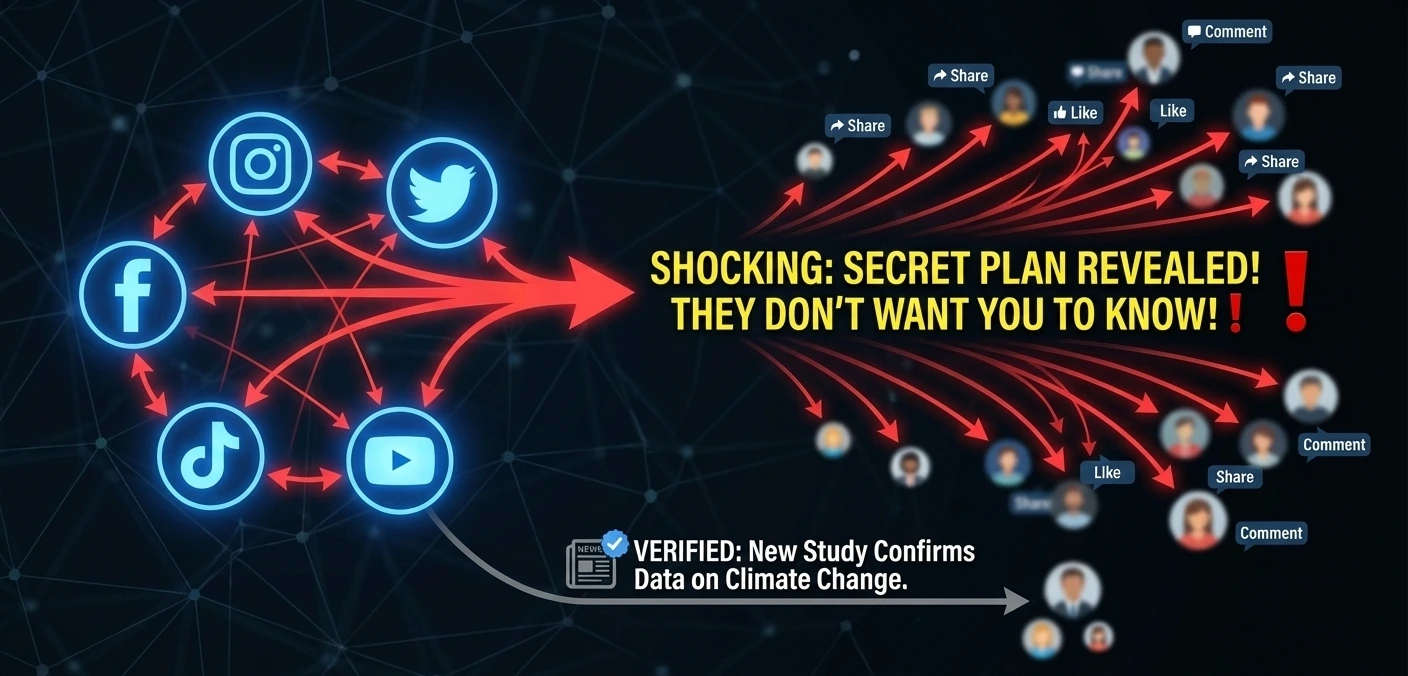
How Fake News Affects Society
The impact of fake news goes far beyond individual confusion. It can:
Create social division and polarization
Influence elections and public policy
Damage trust in media and institutions
Spread panic during crises
When people can no longer distinguish truth from falsehood, society becomes vulnerable to manipulation.
Why Fake News Matters to You
Fake news doesn’t only affect governments or organizations—it affects everyday decisions. From health misinformation to financial scams, believing false information can lead to real-world harm. Being informed is no longer optional; it is a responsibility in the digital age.
Building Awareness in the Digital Age
Fighting fake news begins with awareness. By questioning sources, checking facts, and understanding how misinformation works, individuals can protect themselves and others. Media literacy is a critical skill that empowers people to navigate today’s information landscape responsibly.
Conclusion
Fake news is not just a digital nuisance—it is a serious challenge to truth, trust, and informed decision-making. Understanding what fake news is, recognizing what it is not, and knowing why it matters are the first steps toward becoming a responsible digital citizen. In an era where information shapes reality, choosing truth over deception has never been more important.