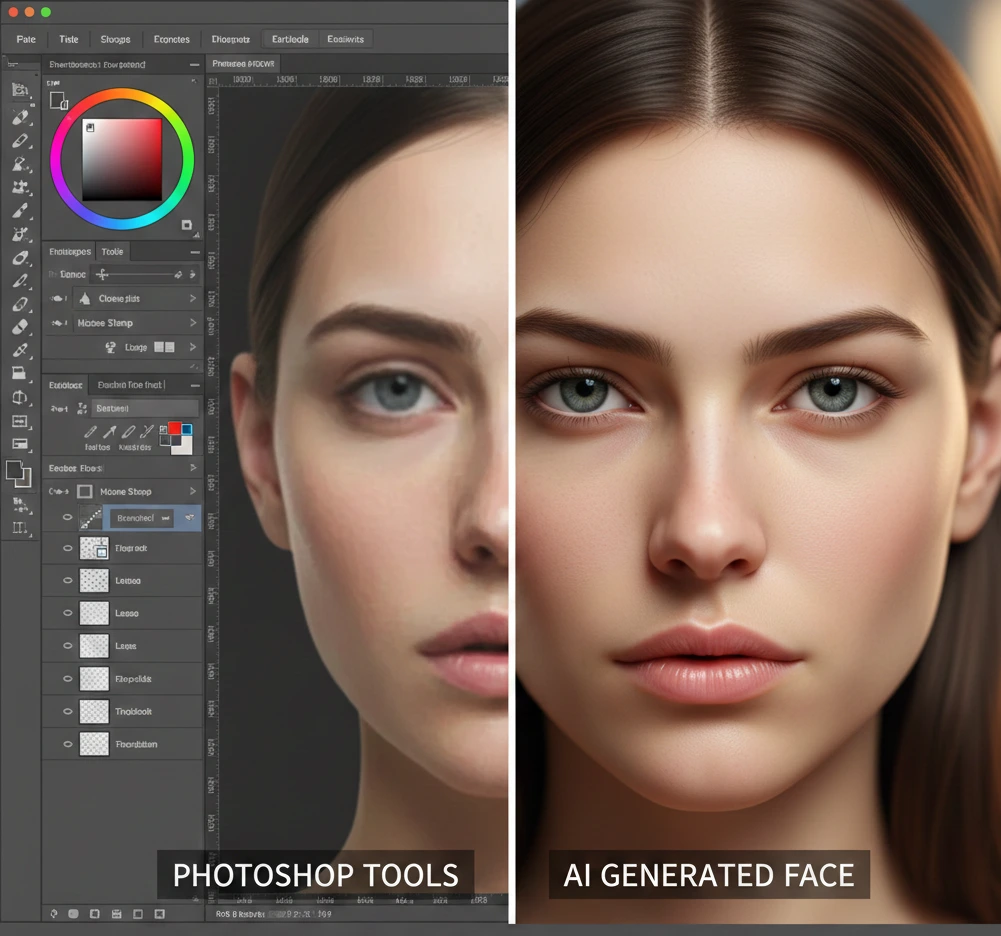
Images have always shaped how we understand the world. Today, a single photo can spark outrage, influence opinions, or go viral within minutes. But in the age of powerful editing tools and artificial intelligence, not every image tells the truth.
From basic photo manipulation to hyper-realistic AI-generated visuals, fake images are becoming harder to detect—and easier to believe.
The Early Days: Simple Photo Manipulation
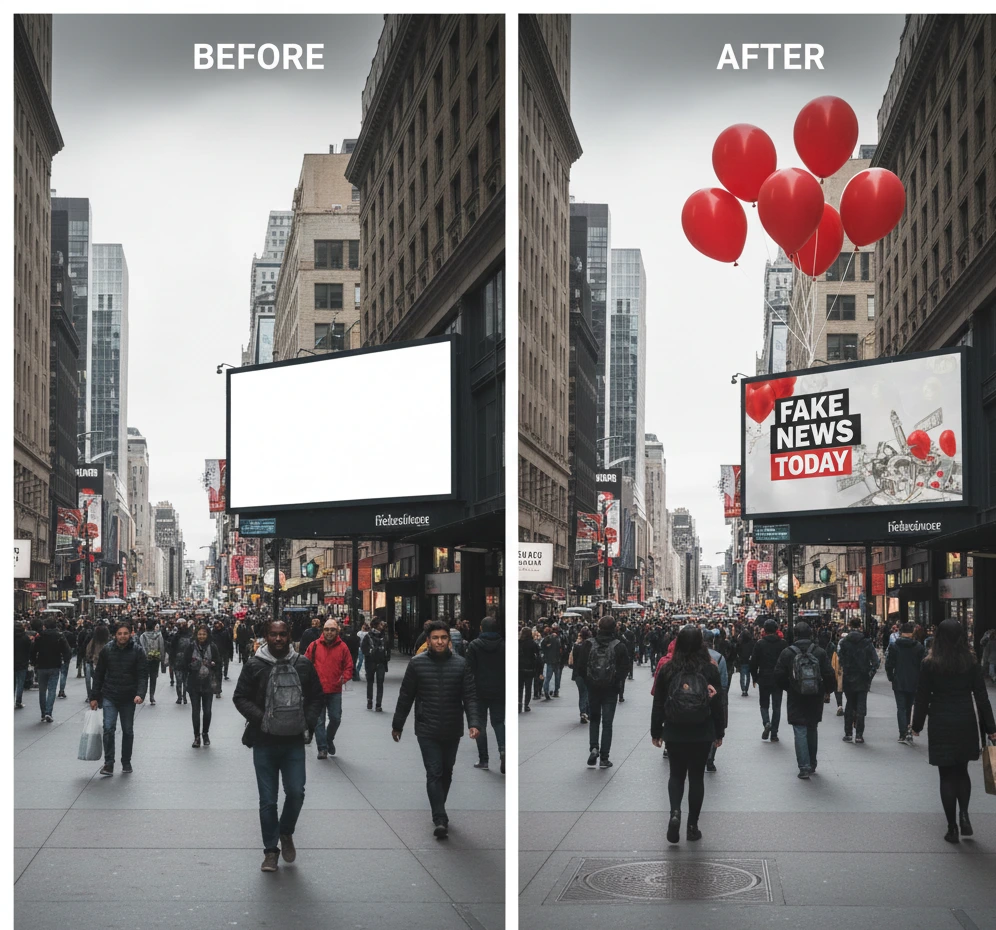
Before artificial intelligence entered the picture, image manipulation relied on basic editing tools. Cropping, copy-paste edits, color adjustments, and lighting changes were enough to distort reality.
A small crop could remove crucial context. A copied object could create false evidence. These images often looked convincing because they were based on real photographs—just subtly altered.
Why Fake Images Spread So Fast
Visuals demand less effort than reading text. Our brains process images faster and remember them longer. When an image triggers emotion—shock, fear, pride, or anger—it spreads rapidly across social platforms.
Algorithms reward engagement, not accuracy. The more reactions an image generates, the further it travels, often without any verification.
The Rise of AI-Generated Images
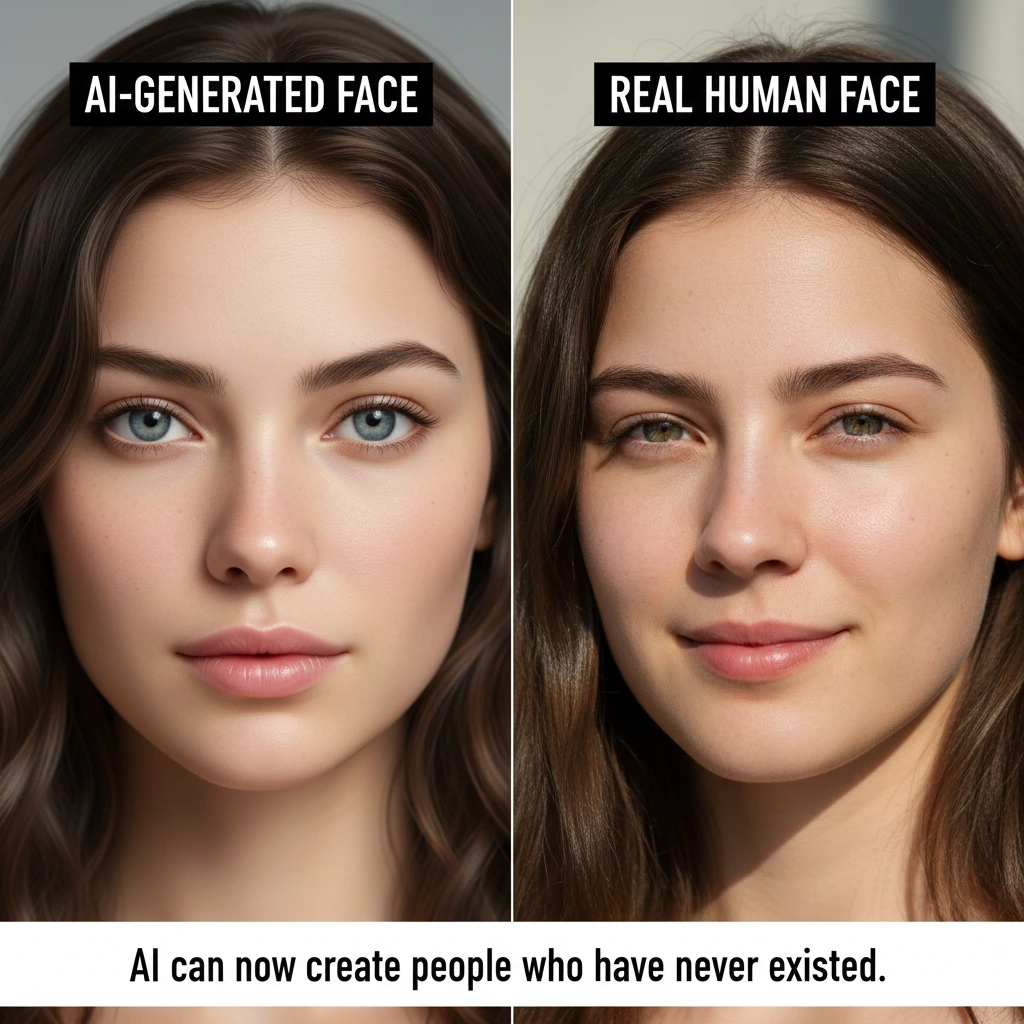
Artificial intelligence has transformed image manipulation. AI tools can now create faces, scenes, and events that never existed—yet look disturbingly real.
AI-generated images often feature:
Perfect lighting and symmetry
Realistic skin textures
Detailed backgrounds
Faces that don’t belong to real people
Because these images don’t originate from cameras, traditional verification methods often fail.
Deepfakes and Synthetic Visuals
Deepfake technology extends beyond faces. Entire scenes, environments, and events can be fabricated using AI models trained on millions of images.
These synthetic visuals are especially dangerous during elections, conflicts, and emergencies—where speed matters more than accuracy.
The line between reality and fabrication is becoming increasingly blurred.
When Real Images Tell False Stories
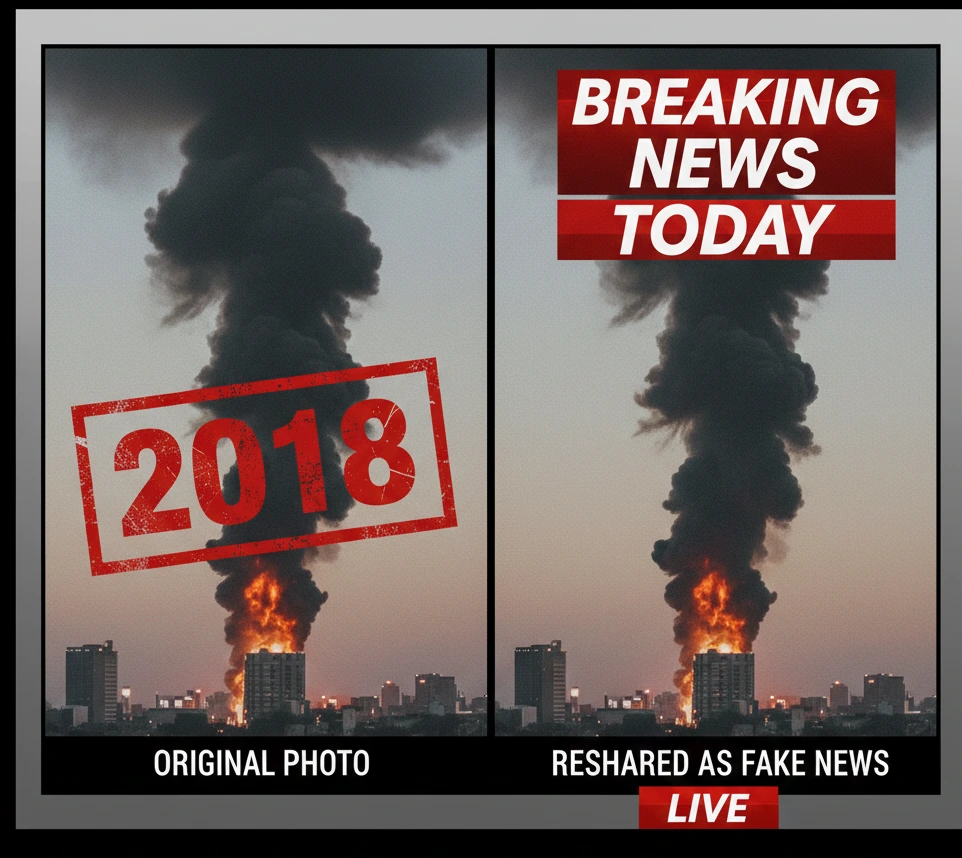
Not all fake images are digitally altered. Some are real photos used in the wrong context. Old disaster images reappear during new crises. Photos from one country are claimed to be from another.
Context manipulation is often more convincing than fabrication because the image itself is genuine.
Why Our Eyes Betray Us
Humans trust what they see. Visual information feels like direct evidence, bypassing skepticism. When combined with emotional captions and social proof, fake images feel authentic—even when they are not.
This psychological shortcut is what makes visual misinformation so powerful.
Learning to Pause Before Believing
The solution is not to distrust all images—but to slow down. Questioning where an image came from, how it was created, and why it’s being shared can stop misinformation before it spreads.
In a digital world, visual literacy is just as important as reading skills.
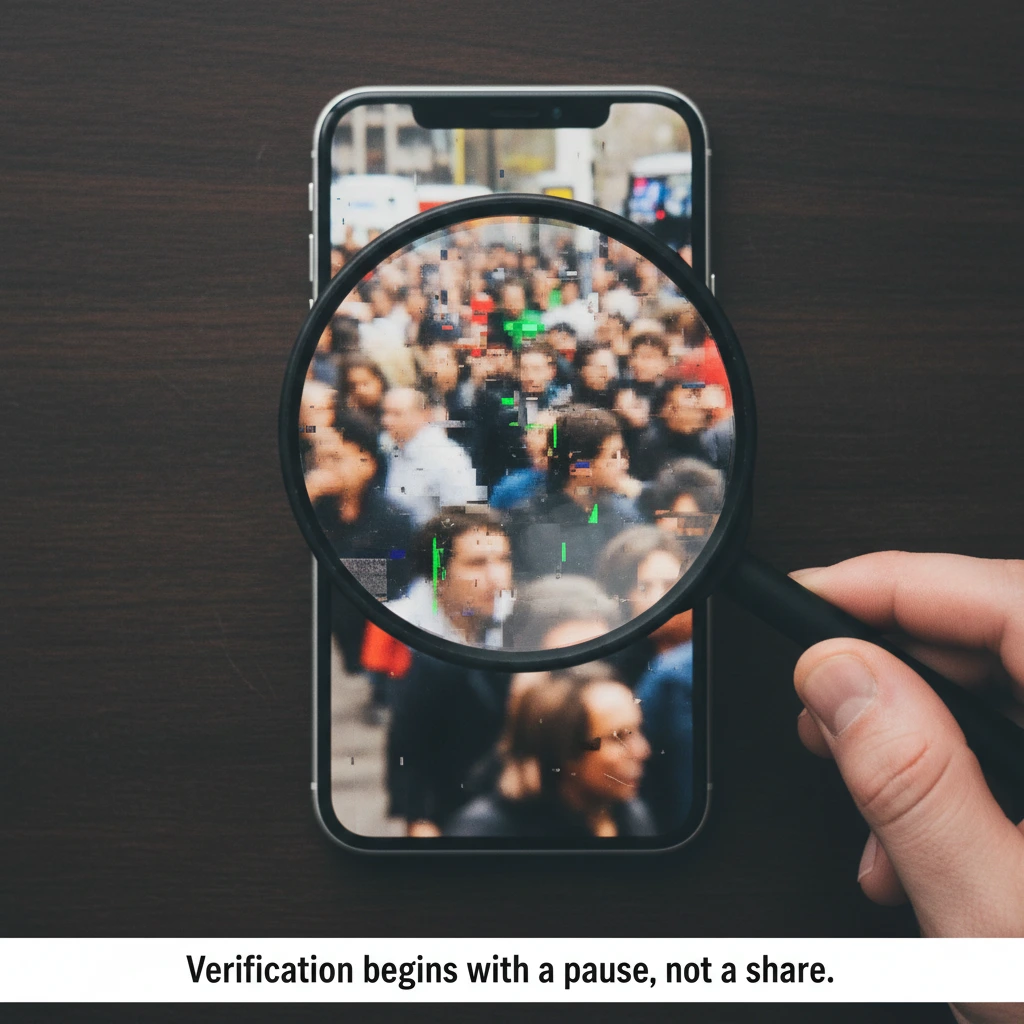
From simple Photoshop edits to advanced AI-generated visuals, fake images are evolving faster than ever. They exploit trust, emotion, and speed—making the internet a challenging place to navigate.
Understanding how fake images are created and why they fool us is the first step toward resisting visual misinformation. In an era where seeing is no longer believing, awareness becomes our strongest defense.