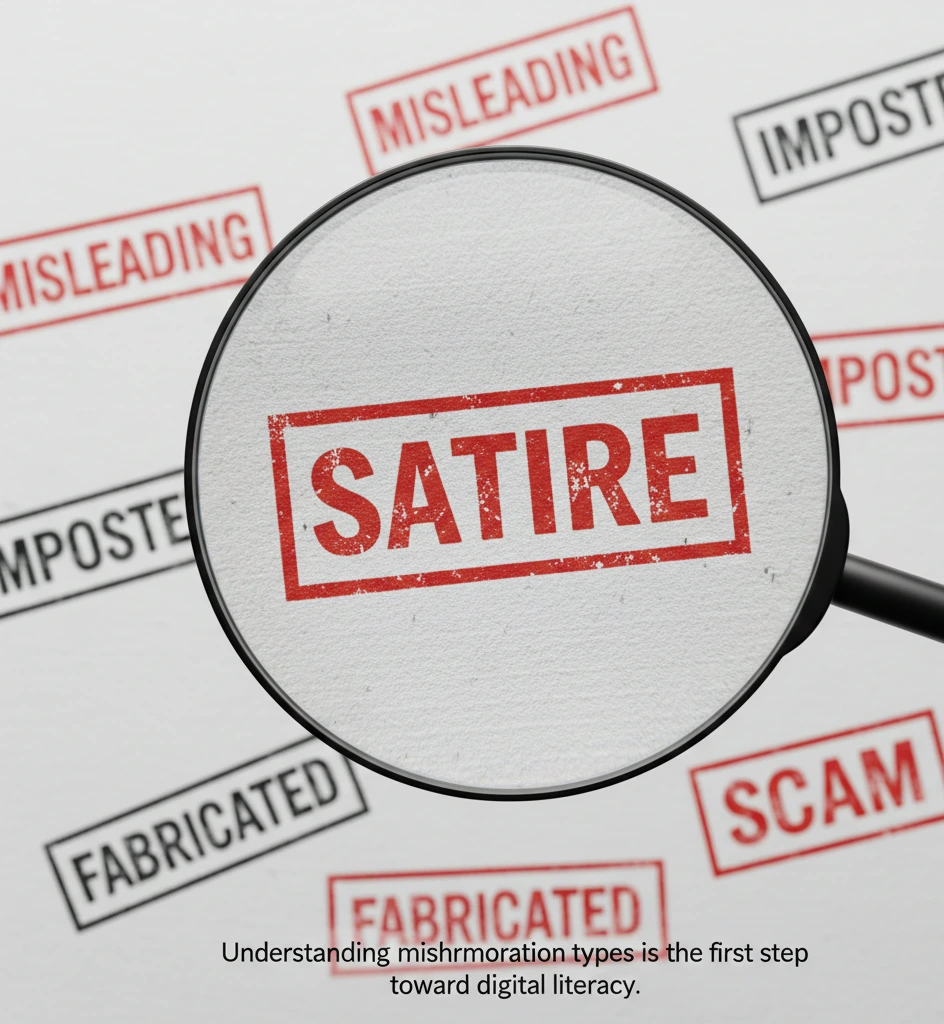
Fake news is often imagined as outright lies—but the reality is far more complex. Not all misinformation is created the same way, and not all of it is intended to deceive in obvious ways. Some fake news makes people laugh, some misleads quietly, and some is designed to exploit, manipulate, or steal.
Understanding the different forms of fake news helps us recognize misinformation before it spreads—and before it causes real harm.
Satire: When Humor Becomes Confusion
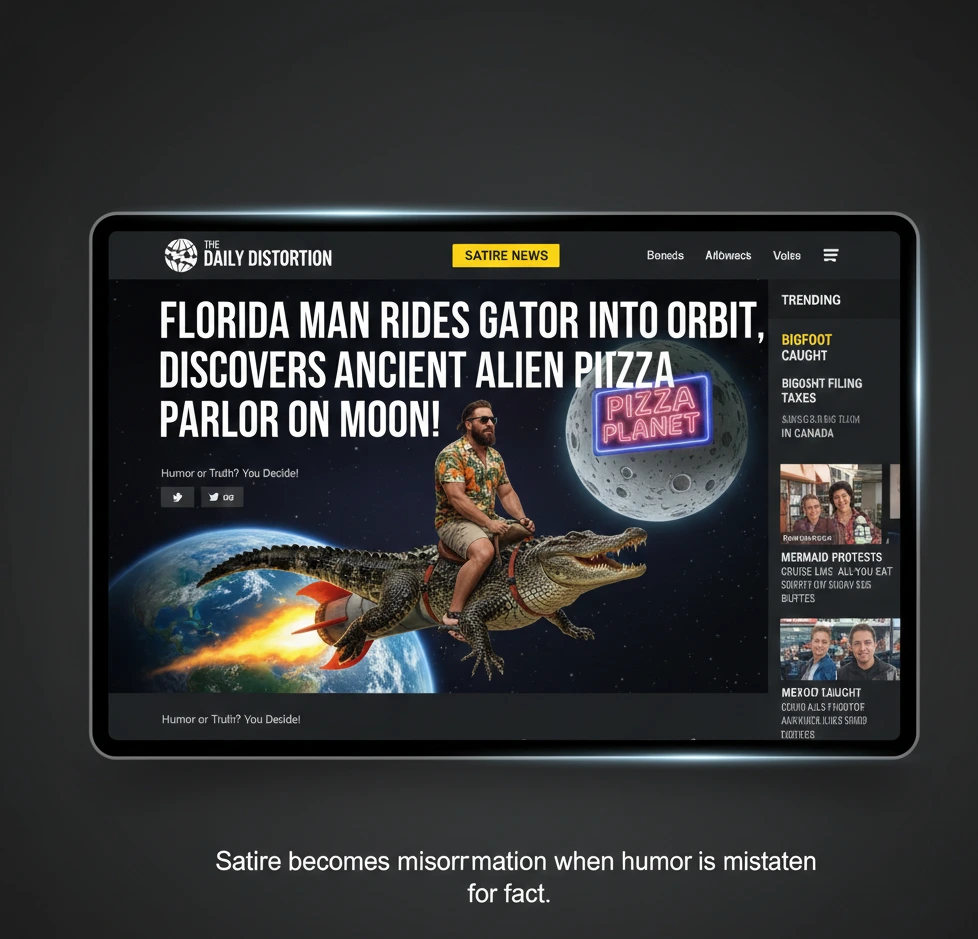
Satirical content is created for entertainment, not deception. However, when satire is shared without context, it can easily be mistaken for real news. Headlines written for humor often mimic journalistic language, making them believable at first glance.
The danger arises when satire travels beyond its original audience. What was meant as a joke can suddenly be treated as fact.
Misleading Content: When Facts Are Twisted
Misleading content doesn’t rely on lies—it relies on distortion. This form of fake news uses real facts but presents them out of context, exaggerates details, or omits critical information.
A true image paired with a false caption or a statistic without background can completely change the meaning of a story. Because the information is partly true, misleading content is especially difficult to detect.
False Context: Truth in the Wrong Place
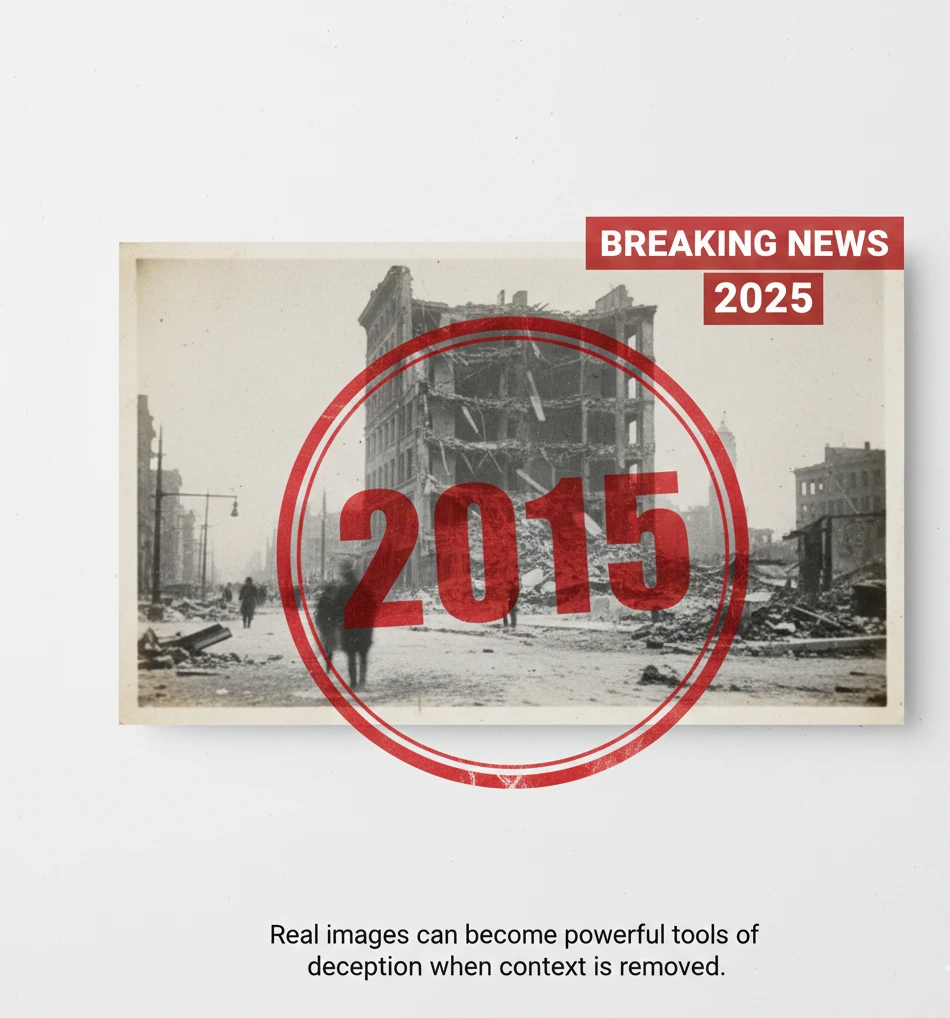
False context occurs when genuine content is reshaped to tell a different story. Old images are reposted as if they are recent, or unrelated photos are linked to current events.
This form of misinformation spreads quickly during crises, protests, or disasters, where emotional urgency overrides verification.
Imposter Content: When Trusted Names Are Misused
Imposter content pretends to come from credible sources. Fake social media accounts, cloned websites, and altered logos are commonly used to mimic journalists, government agencies, or news organizations.
When trust is borrowed without permission, people are more likely to believe and share the content—making imposter content one of the most dangerous forms of fake news.
Fabricated Content: Stories Created from Nothing
Fabricated content is completely false information designed to deceive. These stories are often sensational, emotionally charged, and highly shareable.
They may include fake quotes, made-up events, or fictional experts. Fabricated content thrives because it tells people what they want to hear—not what is true.

Scams: When Fake News Becomes Fraud
Some misinformation is designed not just to mislead—but to exploit. Scams use fake news techniques to promote financial fraud, fake giveaways, health cures, or phishing schemes.
These stories often rely on urgency: “Act now,” “Limited time,” “You’ve been selected.” The goal is to trigger action before skepticism kicks in.
Why Understanding the Forms Matters
Not all fake news looks fake. Some wears the mask of humor. Some borrows truth. Some hides behind trust. And some aims directly at exploitation.
Recognizing the different forms helps people pause, question, and verify before sharing. Awareness transforms passive consumers into active, responsible participants in the information ecosystem.